

Transforming service provision for female veterans
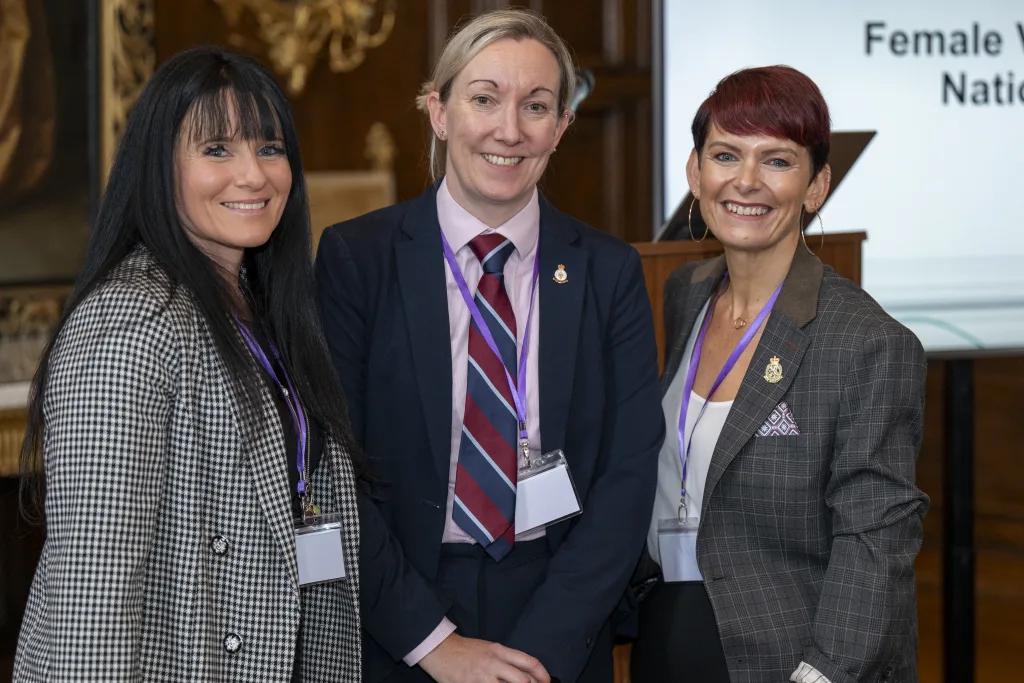
Walking, with excited anticipation, into the Royal Hospital Chelsea and a grand wood-panelled room adorned with royal paintings, I was quickly struck that the room of invited guests was a ‘who’s who’ of leaders from the female veteran community. It was like a reunion of everyone I had encountered in my time as Senior Programme Manager for the Female Veterans Transformation Programme on our journey around the United Kingdom reaching out to female veterans and those who work with them to understand the needs of this community. Returning, with colleagues from the Centre for Military Women’s Research (CMWR) – Dr Lauren Godier-McBard, Centre Director, Abigail Adams, Research Fellow and Alice Henderson, Advisory Group – to witness the launch of their new toolkit was a privilege. And it only reinforced the sustained commitment by the Centre as a critical friend to this programme, which itself was catalysed following, amongst other reports and inquiries, the publication of the CMWR We Also Served report.
We were welcomed to the launch by Ali Brown, Chair of the COBSEO Female Veterans Cluster and leader of the FVTP Steering Group, who has been a driving force behind the need for and delivery of this programme. Ali introduced the Minister for Veterans and People, Louise Sandher-Jones, herself also a veteran.
The Minister reflected, ‘As a veteran, I know first-hand the unique challenges women face in military service and the extraordinary contributions they make. With women now making up 13% of the UK veteran community, we need to make sure that they have a strong voice at the heart of Government.’ She went on to speak about the themes of the new veterans strategy – celebrate, contribute and support, linking them to the Female Veterans Toolkit, before announcing the establishment, in 2026, of a Women Veteran’s Forum to ensure that the mantra ‘nothing about us without us’ is at the heart of the OVA’s support to female veterans.
The Minister was followed by Anna Wright, representing the Armed Forces Covenant Fund Trust who were the major funder of this programme, and gave an impassioned plea to all who engage with veterans to be inclusive of female veterans. She also highlighted their recent funding programme ‘Servicewomen: Seen and Heard’ which has awarded £650k in grant funding for programmes over the next three years. As a Royal Navy veteran herself, she closed by praising the FVTP team, endorsing their effort with the Naval phrase of Bravo Zulu or ‘BZ’.
Anisha Worbs, Director of the Office for Veterans Affairs, was up next and encouraged the audience to communicate the toolkit’s resources far and wide. She spoke about the importance of both recognising difficult experiences whilst celebrating the fun and positivity of military service. It was fascinating to hear that the most engaged with OVA social media posts ever have been those relating to the imagery raising the profile of female veterans in the run up to the toolkit launch.
Nicky Murdoch spoke on behalf of Kate Davies, representing the Armed Forces Healthcare team, NHS England, another major funder of this programme. She advocated for remembering where we had come from and acknowledged the influence of CMWR’s research as a catalyst for this programme.
Liza Jarvis, the FVTP Programme Lead, then introduced the toolkit, explaining how the programme had synthesised a growing body of research in its Evidence Review and then sought input from over 800 female veterans from across the three services and across the United Kingdom in order to develop the toolkit resources. She then gave us a virtual tour of what it offered. Liza shone a light on the work of two particular programmes, who are featured as case studies of best practice within the toolkit and who were represented in the room: Veterans Outdoors (Artemis Programme) and High Ground.
Alice Knight-Driver, from the Drive Project was next invited to share a film which they had produced as part of the toolkit, based on research and lived experience, called 7 clicks. Three individuals who spoke in the film then got up to share their experiences of being involved in making the film, addressing what made them speak up. They talked about re-entering the sisterhood after having stayed silent about their memories, the sense of solidarity and belonging that came from making space to share their collective truth. The film itself was an impressive encapsulation of the diverse perspectives of the female veteran cohort and a challenge not to assume that this community has a single truth.
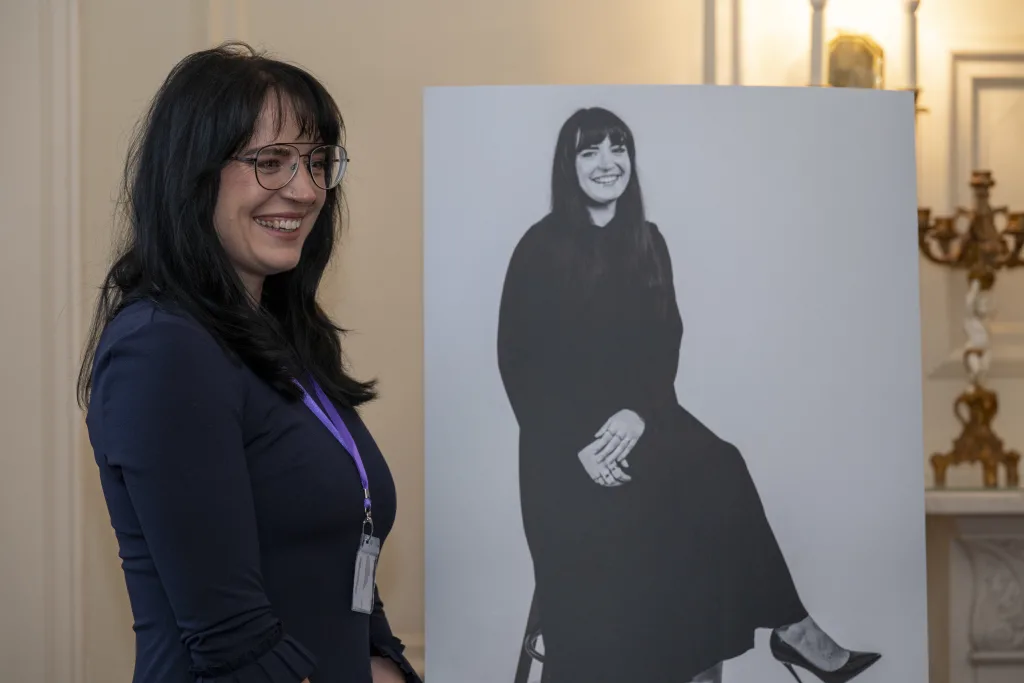
Liza closed with a call to share the toolkit: ‘This is just the beginning’. She explained that next up the programme will be engaging in a social media and communications campaign as well as a programme of education and awareness raising, which will also gather feedback to inform future iterations and updates.
It was a truly inspiring moment that brought together so many who have the power to bring about tangible lasting change when it comes to service provision for female veterans. The occasion kept the focus on the voice of female veterans and I truly believe that so many important conversations and collaborations will come about as a result of getting everyone together in that one room.
If you do nothing else as a result of reading this, click on the link to visit the Female Veterans Toolkit. If you can only spare 10 minutes of your day, grab a cup of tea and sit down to watch the film 7 Clicks. If you can find 20 minutes, take a nose around the resources that the toolkit provides and then write a social media post to share it with your networks. Power and change comes from acknowledging the diversity of our community and speaking out together.